
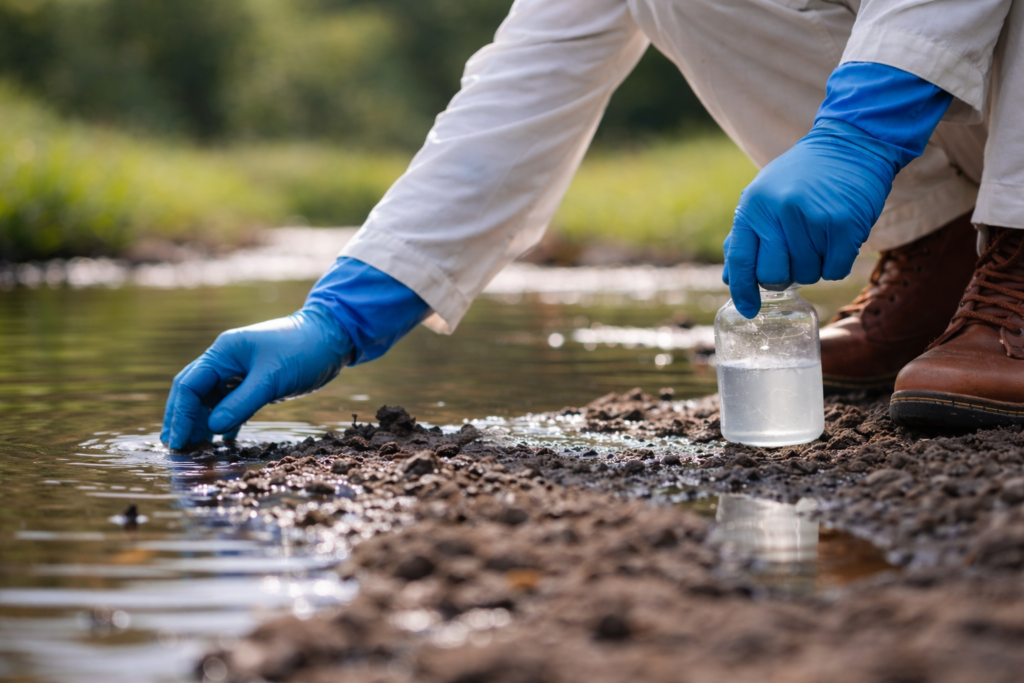
Analyzing the shift from chemical-heavy filtration to natural microbial solutions for sustainable and efficient industrial water recovery.
The global water crisis has forced industrial sectors to reconsider their discharge practices. For decades, traditional mechanical and chemical methods were the standard, but as regulatory norms tightened in 2026, these systems began to show significant cracks. They tend to be energy-intensive, generate hard-to-treat secondary sludge for discharge, and are ineffective at removing complex organic pollutants. This is where the move towards bioremediation in wastewater treatment becomes critical. By using nature’s own cleaners – microorganisms – industries will be able to neutralize the toxins without introducing more toxins into the ecosystem. This evolution is necessary because the environmental costs of the traditional “quick-fix” chemicals pose a long-term liability for corporations worldwide, leading to greater scrutiny from pollution control boards.
Traditional systems are based on sedimentation and chlorination, which often merely transfer pollutants from one medium to another. In contrast, bio sewage treatment aims to achieve molecular breakdown of contaminants. As water scarcity becomes more of an issue, the opportunity to recycle and reuse water is no longer a luxury but an operational requirement for business continuity.
The reason for the failing grade of conventional plants is mainly their inability to cope cost-effectively with high “Chemical Oxygen Demand” (COD) and “Biochemical Oxygen Demand” (BOD) levels. Transitioning to bioremediation wastewater treatment is a more resilient, self-sustaining solution. It is better suited to modern-day environmental ambitions, especially in heavy industries such as chemicals, textiles, and pharmaceuticals, where effluent is often recalcitrant and toxic.
The Breakdown of Chemical-Centric Methods
Chemical treatments often include the use of expensive coagulants and flocculants, which generate a huge volume of toxic sludge. Managing this byproduct is a logistical nightmare and a huge environmental liability. Bioremediation of wastewater addresses this at the source by using specialized bacteria that feed on organic waste and convert it into harmless byproducts, such as water and carbon dioxide. This process significantly reduces the “sludge footprint,” thereby making the entire facility more efficient and less reliant on external waste management services. With chemical treatment, the water produced is usually salty or toxic, and the water level is low. In contrast, bioremediation in wastewater treatment leaves the wastewater in a much more natural state that can be reused.
How Microbes Outperform Machines
While mechanical filters can strain out solids, they cannot “digest” dissolved toxins, which cause long-term environmental damage. The process of bioremediation in wastewater treatment involves introducing specific microbial cultures that target pollutants such as hydrocarbons, heavy metals, and dyes. These biological agents adapt to the specific “menu” of wastewater, becoming more efficient over time through natural selection and population growth. Unlike the mechanical components that wear out or become clogged, the biological parts in bioremediation in wastewater treatment systems multiply and grow stronger, resulting in a long-term solution that actually improves with age. Furthermore, bio sewage treatment systems are less susceptible to catastrophic failure because the “labourers” are microscopic and, as such, well-resistant to many environmental stressors.
Core Advantages of a Biological Approach
The shift to biological systems isn’t about “going green”, it’s about “going smart” and improving the bottom line. Biological solutions provide a precision unattainable with chemicals, targeting specific pollutions without disrupting the mineral balance of the water. This is why bioremediation of wastewater is being embraced by the world’s most creative manufacturing companies as a key strategy of sustainable growth.
- Lower Operational Costs: Reducing the cost of costly chemical inputs and frequent mechanical maintenance by bioremediation in wastewater treatment.
- Sludge Reduction: The reduction in sludge volume during bioremediation wastewater treatment is 60-80%, compared to the chemical coagulation method, which has high disposal costs.
- High Tolerance: Microbial strains can be engineered to tolerate the high salinity or high temperatures of industrial discharge, making bio sewage treatment even more reliable across various climates.
- Eco-Friendly Output: The water processed by bioremediation of wastewater is often safe for secondary industrial use, landscaping, or cooling towers.
Implementation Challenges and Solutions
Moving from a traditional set-up to one devoted to bioremediation in wastewater treatment requires an initial assessment of the specific microbial requirements of the effluent. It is not a “plug-and-play” fix but rather a customized engineering strategy that includes pilot testing. However, once the microbial colony has been established in a biowaste sewage treatment plant, maintenance requirements are significantly reduced. The system becomes an “active” participant in the treatment process, responding to spikes in the levels of pollutants by increasing the activity of the microorganisms – a level of responsiveness that manual chemical dosing simply cannot achieve. This biological intelligence ensures that bioremediation wastewater treatment remains effective even during fluctuating production cycles.
The Future of Sustainable Water Recovery
- Nutrient Recovery: Bioremediation of wastewater to recover useful nitrogen and phosphorus for use as agricultural fertilizers.
- Energy Neutrality: Some bio sewage treatment systems can produce biogas from anaerobic digestion to offset the energy used by the treatment plant.
- Reduced Odour: The biological breakdown processes remove the foul odours associated with stagnant chemical ponds, improving air quality during bioremediation in wastewater treatment facilities.
- Scalability: Bioremediation wastewater treatment modules can be scaled up one at a time as the production facility expands, providing a modular flexibility.
Restoring Balance Through Chemistry and Nature
The way forward to a zero-discharge future is based on an understanding of the delicate balance between industrial production and biological recovery. At Amoda Chem, we specialize in supplying high-performance microbial cultures and enzymatic solutions, enabling this transition. Our mission is to ensure your bioremediation in wastewater treatment strategy is soundly scientific and commercially viable. By purchasing our specialized bio sewage treatment products, you are investing in a future in which water is treated as a precious resource to be protected, and bioremediation of wastewater becomes your best line of defence to ensure environmental compliance and operational excellence.